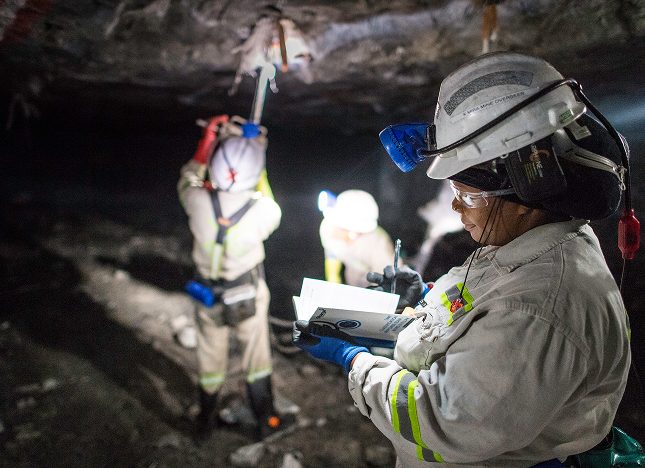
Falls of Ground (FoG) in Mining: Managing South Africa’s Leading Safety Risk
Falls of Ground (FoG) refer to the collapse, slip or detachment of rock from mine hanging walls (roofs), sidewalls, faces or slopes. These events occur in both underground and surface mining operations and are classified into two types:
- Gravity-induced falls, caused by loose or unstable rock detaching under gravity.
- Dynamic falls, triggered by seismic activity or stress redistribution in the rock mass, which can result in violent failures such as rockbursts and strainbursts.
Industry Response to Falls of Ground Risks
Falls of Ground remain the most significant safety concern in the South African mining industry. In response, the Minerals Council South Africa, in collaboration with industry stakeholders, has implemented targeted initiatives to reduce FoG-related injuries and fatalities.
Established in 2003, the MOSH Learning Hub plays a central role in this effort. The MOSH Falls of Ground Team leads the promotion and adoption of leading practices in ground control, aiming to improve mineworker safety and operational resilience.
Impact of Collaborative Efforts
The industry’s collective efforts have resulted in notable reductions in FoG incidents, aligning with the broader mining goal of achieving Zero Harm. Through continuous research, shared learning and strategic implementation, FoG risks are being actively mitigated across operations.
Key Focus Areas for Falls of Ground Management
- Adoption of Proven Leading Practices
Facilitating widespread implementation of FoG control measures with a proven track record of reducing incidents. - Research and Development
Advancing research and development to better understand and mitigate seismic and ground instability threats. - Knowledge Sharing
Promoting a culture of safety through workshops, learning days and structured feedback mechanisms. - Monitoring and Continuous Improvement
Tracking the impact of adoption, updating guidelines with the latest evidence and aligning with emerging technologies and regulatory developments.
-
FoG Guidelines for Leading Indicators
- 2026-05-05
- 4.03 MB Size
Falls of Ground
Leading Practices